SARPE Surgery Recovery: The Kit One Patient Used, Kept and Returned
By Blake Hickey, founder of Double Jaw Marketing and a jaw surgery patient. For patients getting ready for SARPE or jaw surgery, and the oral surgery and orthodontic offices that send them home. Updated October 25, 2026.
Before my double jaw surgery, I had SARPE. About 40 days after it, I filmed everything I'd bought, tested, kept and sent back. My surgeon's team told me everything I needed to know. This is the other half: what recovery was like from the patient's side, and the small things that made it easier.
This is one patient's experience, not medical advice. Your surgeon's instructions come first on medication, food, cleaning, icing and sleep. Ask before you add anything to the plan.
What SARPE is
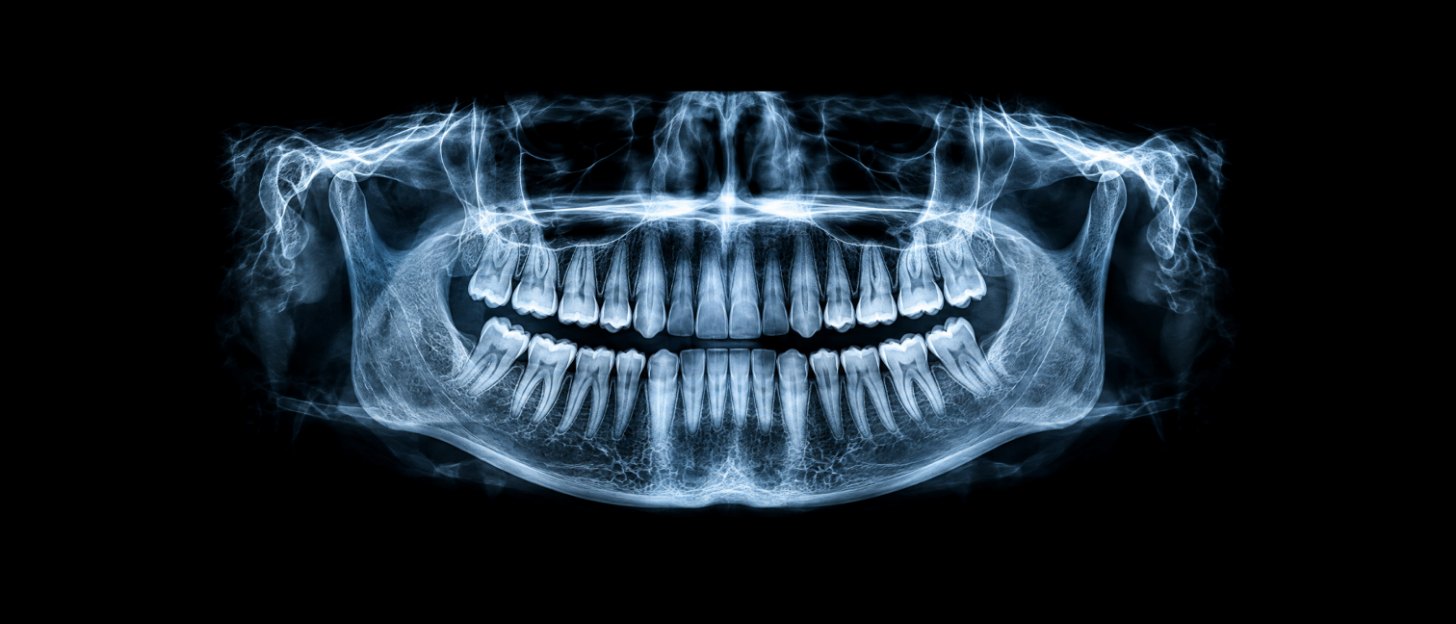
SARPE stands for surgically assisted rapid palatal expansion. A surgeon makes cuts in the upper jaw so an expander can widen it. A 2025 systematic review describes it as a reliable technique for a narrow upper jaw in skeletally mature patients, meaning adults whose palate has finished growing. In my case, it came before double jaw surgery, while I was already in braces.
My SARPE recovery kit, at a glance
Keep the paperwork in one place
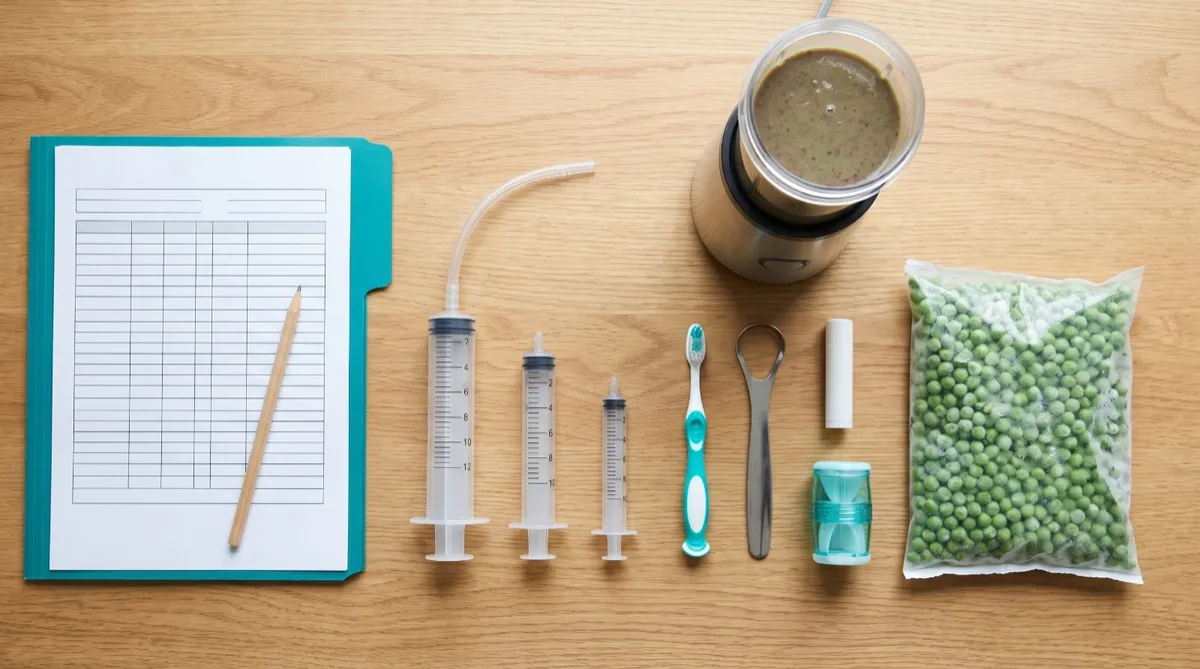
Between the surgeon, the orthodontist and the dentist, I had a stack of instruction sheets, prescriptions and receipts. A cheap file bin and a sealable folder kept it together, each in its own section. The first few days are foggy. You don't want to hunt for the sheet that says what to take next.
Track the turns and the doses
An expander gets turned on a schedule, and the first days blur together. I made a simple chart, one row per day, with a morning and evening box for each turn. When my surgeon asked how many turns I'd done, I had the answer on paper instead of a guess.
I did the same for medication: what I took, when, and whether I'd finished the antibiotic. Don't forget the medications you already take every day. Our free post-op medication log is built for this.
Eating and drinking in the first few days
Drinking from a cup was a problem for me, because liquid and food ended up in the surgical site at the front of the upper jaw. I bought feeding syringes in a pile of sizes to see what worked:
- 100 ml syringe: water. Tip it back so it goes past the front of the mouth.
- 150 ml syringe: protein shakes and thin smoothies.
- A larger syringe with tubing: the one I used most, for thicker blends like soup. Cut the tube short. Past six to eight inches, it just slows you down and is hard to clear.
I only needed that setup for the first few days.
The blender went everywhere
I didn't let food slow me down. My wife and I blended meals from our favorite restaurants, and sometimes I got creative and mixed things together. I brought my NutriBullet along when it wasn't too much hassle, like to a friend's house. Eating what everyone else was eating, just blended, kept the weeks feeling normal. For blend ideas and diet stages, see our blender guide for after jaw surgery.
Cleaning, gently
- A kid's toothbrush fit better early on, plus a tongue brush and a tongue scraper for the back of the mouth.
- Lip balm. Lips get very dry.
- Toothpaste stung for about the first week because of the stitches. Ask your surgeon what to rinse with. Plain, unflavored seltzer worked for me, with my team's OK.
- A water flosser, once you're cleared. I'd been in braces for over eight months and missed real cleaning. I kept a small portable one for work and a stronger one at home.
Pills
Swallowing pills was hard for me for the first five to ten days, and a small twist pill crusher helped. Some medications should not be crushed, so ask your pharmacist or surgeon first.
Sleep, steam and icing
Sleep: get an adjustable wedge pillow, not a fixed triangle, plus the leg wedge that keeps you from sliding down. You can start steep and lower it as you heal. Stacked pillows and the couch didn't compare.
Steam: early on, you don't want a shower spraying the surgical area. I put a waterproof stool in the shower with a handheld showerhead on a low suction-cup mount, so I could sit in the steam without water on my face.
Icing: my surgeon said to keep a few bags of frozen peas in the freezer and follow the schedule on the instruction sheet. I bought five different jaw wraps anyway. Simple won. A jaw wrap is handy if you want your hands free.
One tip nobody gave me
Practice sneezing through your mouth before surgery. A couple of times I sneezed with pressure through my nose and felt it build. It's an easy habit to learn ahead of time.
How it felt
For me, it was more of a mental game than a pain game. I lost some weight, then gained it back once fried food was on the table again. I was in good hands, and it was over faster than I expected.
The Double Jaw Method angle: hand patients the list before they search for it
Patients build a recovery list either way, often from forums late at night. Your office can be the one that hands them a better list.
Top jaw: know what they search
Patients look this up. In Semrush's US data, "SARPE surgery" averages 720 searches a month. Your surgical patients are asking these questions before you see them again.
Bottom jaw: answer it on your website and in follow-up
Turn the kit list into one page on your website in your surgeon's words, and text the link at the pre-op visit. Pair it with the medication log and the blender guide, with your logo on all three.
Want it made for your office? It starts with a free 15-minute Method Review.
Questions patients ask
What is SARPE surgery?
Surgically assisted rapid palatal expansion: a surgeon makes cuts in the upper jaw so an expander can widen it. It's used for a narrow upper jaw in adults whose palate has finished growing.
What should I buy before SARPE?
What helped me most: a file bin for paperwork, a chart for turns and doses, feeding syringes, a blender, a kid's toothbrush and tongue scraper, lip balm, an adjustable wedge pillow and frozen peas. Check the list with your surgeon.
How long did you eat with syringes?
Only the first few days for me. Your surgeon sets your diet stages.
Does SARPE hurt?
For me, it was more of a mental game than a pain game. Everyone's recovery is different, so ask your surgeon what to expect.
Sources: Kanwal L, et al. "Skeletal and dental changes after bone-borne versus tooth-borne surgically assisted rapid palatal expansion in subjects with maxillary transverse deficiency: A systematic review and meta-analysis." Dental and Medical Problems, 2025. Search volume: Semrush, US database, pulled October 25, 2026. Recovery details: Blake's own SARPE recovery video.