Single Film
The one procedure patients ask about most.
- One procedure, a short loop or a walkthrough
- Your logo, colors and type
- Captions, a calm voice, or visuals only
- Doctor review before use
Custom 3D films for oral surgeons, orthodontists, dentists and speech-language pathologists. Made to help your consults go smoother, and to post so your practice looks as good online as it does in the chair.
Free storyboard template included: a one-page sheet your team fills in to plan a film in your own words.

Sample still. Illustration, not a patient record.
A short film that shows a patient what happens during a procedure, so they understand it before they say yes. Double Jaw Marketing, based in Jupiter, Florida, makes custom 3D patient education films for dental and surgical practices across the US, in each practice’s own colors and logo, approved by the practice’s doctor before use.
“Your patients sit in the chair while you explain something they can’t see. Show them the visual right there, then email it so they can watch it again when a question comes up at home.”
Blake Hickey, Double Jaw MarketingBuilt for two jobs: helping your consults go smoother, and giving you something worth posting.
Your expertise, your words. Your team fills in a one-page template the way your doctor explains the procedure, or just sends a short phone video. I build the film from it, and your doctor approves it. No filming at your office.

The template has six frames: what patients see, what your doctor says, and the words on screen. Here are the first three, filled in for a wisdom tooth film.
In your brand, sized for each place it plays.
Mark up any frame, and I revise it for your doctor’s approval.
Example of our process.
In your consults, on your waiting room TV, in a text after the appointment, on your website and social, and in staff training so your front desk and clinical team explain it the same way.
 Mockup
Play it on the screen while you walk through the plan, so patients can see what you’re describing.
 Mockup
Run it on the lobby TV with films about the other procedures you offer, mixed in with your own testimonials and practice content.
 Mockup
Patients are on their phones anyway. Text them the film after the consult so they can watch it again at home and show whoever helps them decide. The same vertical film works on Reels, TikTok, Shorts and your website.
Most practices ask for vertical first, because patients watch on their phones and it’s easy to share on social. We can also make square and horizontal versions for your website and the TVs in your consult rooms and lobby.
Start with the free storyboard template, then pick the closest fit. Every package is quoted to your practice, and films run from a few seconds up to about 5 minutes, depending on the package.
The one procedure patients ask about most.
The handful you explain every week.
A full treatment journey or a waiting room loop.
A growing library, one look.
Each film is delivered in the size you choose: vertical, square or horizontal. Add-ons: more sizes, Spanish voiceover, short social cuts.
Research on video-assisted consent suggests they can, when the film stays calm.
In a 90-patient trial of consent for wisdom tooth removal, patients who watched an animated video reported a better understanding of the procedure and its risks than patients who got the standard talk, and 98% of them said the video helped.
Source: Trinity College Dublin, video-assisted consent for third molar extraction, 2022.One study found an informational video left some wisdom tooth patients more anxious, not less. These films show the anatomy, not the surgery: no drills, no blood, slow and steady, so your voice stays the reassurance.
Source: third molar informed consent video study, PubMed 30193118.Every film starts with how your doctor explains the procedure. I build it from published anatomy and procedure sources, storyboard it, and your doctor approves it before any patient sees it.
I research every procedure and do my best to make each film accurate, but each one is an illustration, not a scan of a real patient. That’s why nothing goes live until your doctor reviews it and signs off.
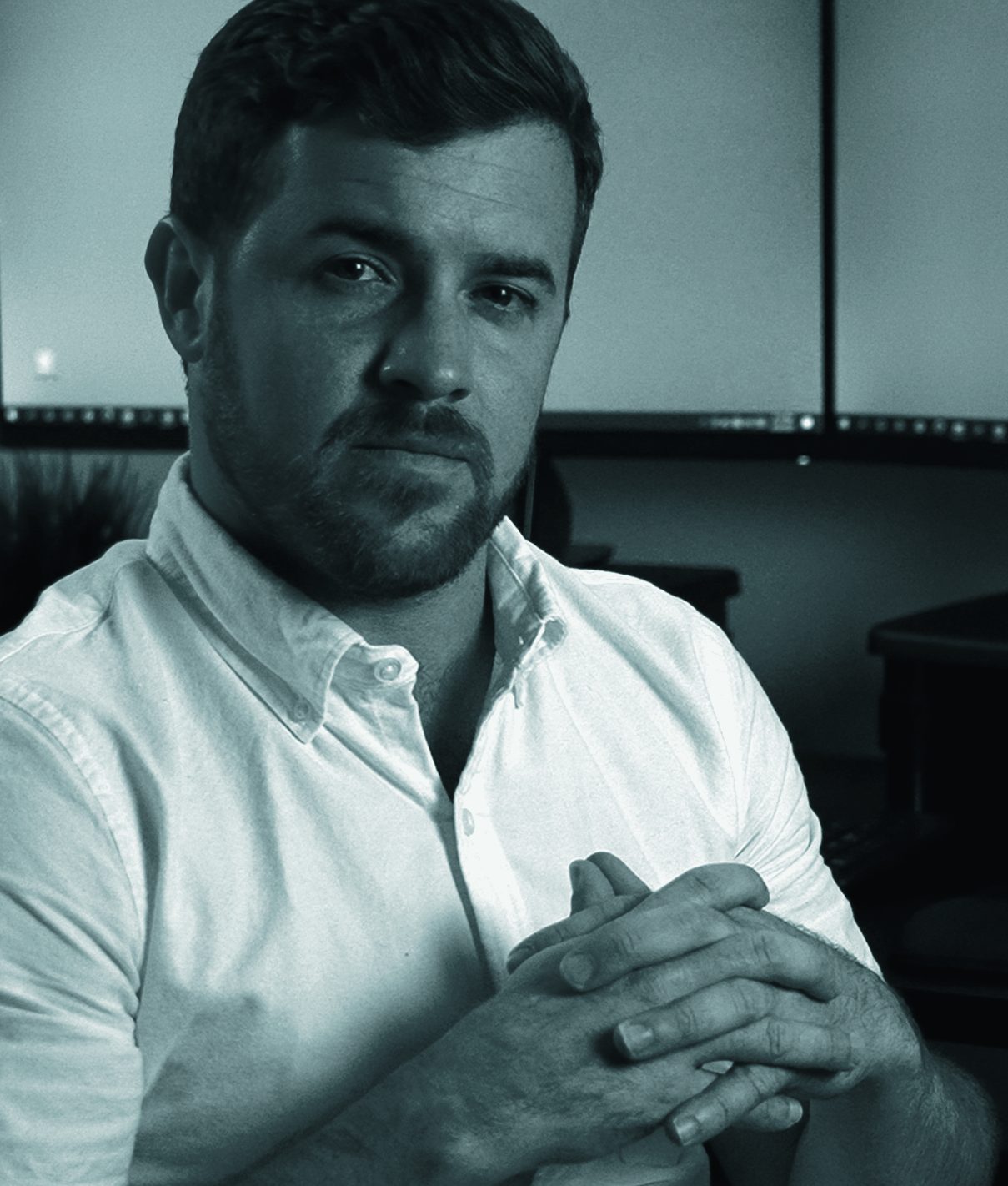
I went through double jaw surgery myself. It took longer than I expected, I needed more time off work than I planned, and the trips between the dentist, the surgeon and the orthodontist added up fast.
Your patients leave a consult with a lot to process. A short film they can watch again at home, and show the people in their life, gives your explanation a second chance to land.
They start with how your doctor explains the procedure. I storyboard it, then build it with modern 3D and AI image and animation tools, directed and checked by me against published sources, and approved by your doctor before use. They are illustrations, not filmed footage or patient records.
A free one-page sheet your team fills in to plan a film: six frames, each with what patients see, what your doctor says and the words on screen. Fill it out with your team, or send it to me and I’ll turn it into a film with a custom quote.
I research every procedure and do my best to make each film accurate, but each one is an illustration, not a scan of a real patient. Your doctor reviews the clinical details and signs off before anything is used.
No. The films are educational illustrations. Your doctor still explains the treatment and answers your patients’ questions.
Every project gets a custom quote, because length, number of films, voice, captions and sizes all change the work. Start with a 15-minute call, and you’ll get the quote in writing before anything starts.
On your consult room screen, on your waiting room TV, in a text after the visit, on your website, on Reels, TikTok and Shorts, and in staff training. Every film can be vertical, square or horizontal.
Yes. Your colors, type and logo carry through your versions of every film.
Double Jaw Marketing also runs the rest of a practice’s marketing. See how it works for oral surgeons, orthodontists, dentists and speech-language pathologists, or book a free practice marketing review.
Send the procedure and your practice name. I’ll email you the free storyboard template and follow up about your film and a custom quote.
Rather talk it through? Book a 15-minute call.
Films are illustrative 3D animations built with modern 3D and AI image and animation tools under Blake Hickey’s direction, for patient education. They do not show real patients and are not medical advice. The practice is responsible for reviewing and approving each film’s clinical content before use. Room, lobby and phone images are mockups. Double Jaw Marketing is a brand of Hickey Media LLC, Jupiter, Florida.